Featured Mobile Home Parks and RV Resorts: Commercial Deal Flow Analysis
Article Featured
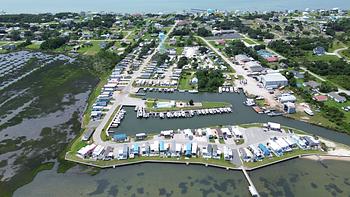
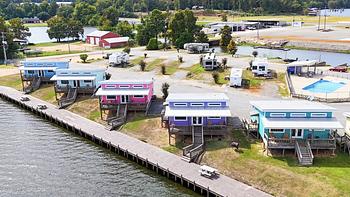
Featured manufactured housing and RV resort listings provide verified acquisition opportunities across key growth markets. The current asset pool features pure tenant-owned home infill communities, value-add turnaround parks, entry-level high-cap-rate parcels, and waterfront recreational hospitality assets offering seller financing.
Why Infrastructure Profiles Determine Operational Yield
Acquiring manufactured housing communities requires evaluating the exact division of physical responsibility between the park operator and the resident. Operators categorize assets into three core underwriting buckets:
- Pure Dirt-Lease (Tenant-Owned Homes): The resident owns the dwelling, eliminating home repairs, appliance replacement costs, and park repair payroll.
- Value-Add Infill: Parks with vacant pads or park-owned homes requiring lease-up, conversion to tenant equity, or utility bill-back implementations.
- Hospitality-Driven RV Destinations: Mixed-use or dedicated recreational properties driven by transient tourist draws, direct-billed municipal utilities, and seasonal amenities.
Active Featured Listings on MobileHomeParkStore.com
The following commercial properties represent active investment opportunities across five distinct state markets:
| Property Name | Location | Asking Price | Sites / Lots | Water / Sewer Type | Property Link |
| Happy Valley Mobile Home Park | Powder Springs, GA | $3,850,000 | 37 Permitted Pads | City / City (Submetered) | View Georgia Listing |
| Green Acres MHC | Union City, TN | Call for Price | 107 Total Sites | City / City | View Tennessee Listing |
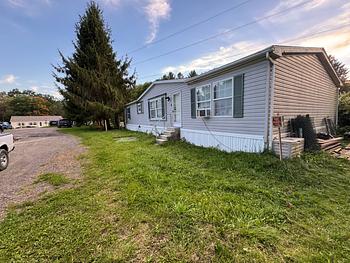
| Evergreen Estates | Phoenix, NY | $465,000 | 11 Total Lots | Private Treatment / On-site | View Phoenix NY Listing |
| 84 Twining Road | Johnson City, NY | $190,000 | 6 Total Units | Well / Septic | View Broome County Listing |
Asset Breakdown: Valuation Metrics and Value-Add Levers
1. Happy Valley Mobile Home Park (Powder Springs, Georgia)
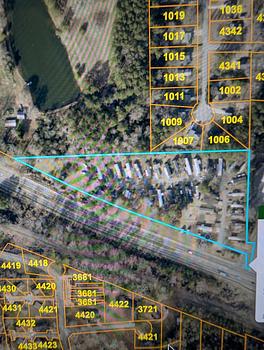
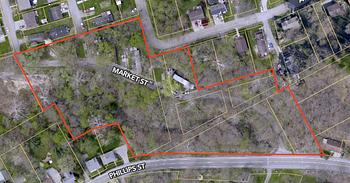
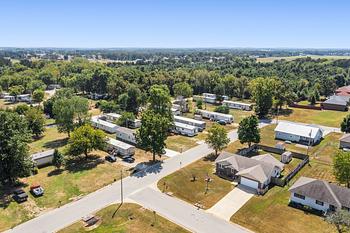
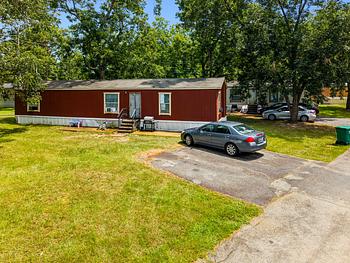
Situated in Cobb County within the Atlanta metropolitan area, Happy Valley Mobile Home Park at 4548 Kathy Circle represents a rare suburban infill asset.
- Core Economics: Priced at $3,850,000 across 6 acres. The property generated $158,643 in gross revenue and $75,938 in net operating income for 2025.
- Home Ownership Structure: 100% tenant-owned homes across 37 permitted pads (34 occupied, 2 dry infill lots, and 1 offline drainage parcel), eliminating park repair payroll.
- Primary Upside Catalyst: Current lot rents sit at a legacy rate of $359 per month, compared to prevailing Cobb County market comps ranging from $550 to $600 or more. The park currently absorbs approximately $34,000 annually in city water and sewer charges despite submeters already being installed on every pad. Executing a standard Ratio Utility Billing System (RUBS) captures immediate net operating income expansion toward projected pro-forma levels of $250,000 or higher.
2. Green Acres MHC (Union City, Tennessee)
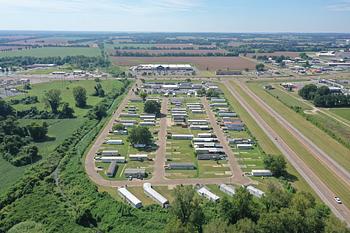
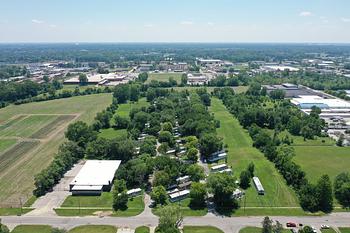
Located off US 51 in Obion County, Green Acres MHC at 811 West Reelfoot Avenue serves an expanding regional manufacturing base centered around food processing and industrial production.
- Asset Scale: 107 total sites across 15 acres, built in 1980, operating on municipal water and sewer connections.
- Turnaround Potential: Currently operating at 61.7% occupancy, providing clear infill upside in an area with organic rental demand. The community sits immediately adjacent to a licensed manufactured home dealership, providing a direct supply line of homes for rapid site infill.
- Execution Strategy: Upside centers on leasing 9 vacant park-owned units, filling 32 vacant pad sites, eliminating loss-to-lease across 10 active spaces, and selling off 40 park-owned units to residents on rent-to-own programs to transition the park to a pure land-lease model.
3. Evergreen Estates (Phoenix, New York)
Positioned in Oswego County, Evergreen Estates at 42 Island Road is located near major regional tech developments, including the Micron semiconductor fabrication campus.
- Financial Summary: Offered at $465,000, producing a current actual net operating income of $37,463 from $52,284 in gross revenue, yielding an 8.1% actual capitalization rate.
- Occupancy & Operations: 11 total lots on 7 acres with 98% occupancy. The rent roll comprises 7 tenant-owned homes at $381 per month, 2 units at $450 per month, and 1 rental unit at $727 per month, supported by an on-site manager overseeing water treatment systems. An automated 3% rent bump is scheduled for March 2027.
4. 84 Twining Road (Johnson City, New York)
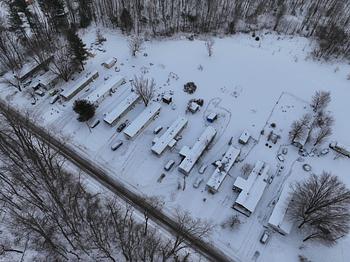
Located in Broome County, 84 Twining Road at 84 Twining Road serves as an entry-level, high-cash-flow micro-park.
- Pricing & Yield: Listed at $190,000, delivering a current actual net operating income of $29,269 on $58,020 gross income, generating a 15.4% actual capitalization rate.
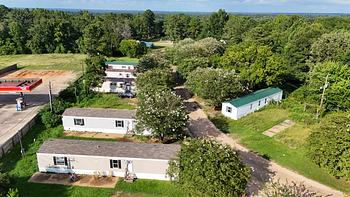
- Physical Infrastructure: 6 total units across 1 acre, configured as 4 tenant-owned homes and 2 park-owned homes operating on private well water and on-site septic tanks.
Key Takeaways for Commercial Park Buyers
- Audit Utility Billing Structures: Properties absorbing master-metered water bills—such as Happy Valley in Georgia—offer the fastest path to net operating income growth through tenant submetering and bill-back systems.
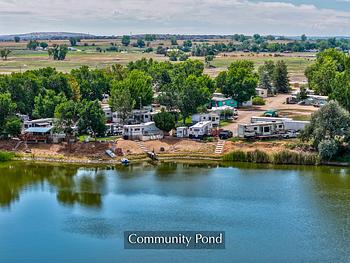
- Match Density to Regional Drivers: Rural and suburban workforce communities in manufacturing corridors provide reliable pad demand, while destination waterfront parks offer multi-tier hospitality revenue from cabins and seasonal boat slips.
- Confirm Local Supply Constraints: In high-barrier metros, permitted pads with 100% tenant-owned homes command premium valuations due to minimal management friction and strict municipal restrictions on new park construction.
Frequently Asked Questions
What does a 100% tenant-owned home community mean for operating margins?
In a 100% tenant-owned home park, the operator owns only the underlying land and utility infrastructure. Residents own their dwellings, which reduces operational expense ratios from 45% or 50% down to 25% to 30% by eliminating home repairs and maintenance costs.
What is RUBS in mobile home park management?
A Ratio Utility Billing System (RUBS) allocates master-metered municipal water, sewer, and trash charges back to residents based on individual submeter readings or standard occupancy formulas, transferring utility burdens off park operations.
Why is seller financing common on mixed-use RV and cabin resorts?
Commercial lenders often require three years of clean tax returns and stable debt-service coverage ratios. When a property has experienced management transitions or recent capital upgrades, sellers often provide short-term financing to bridge the property toward traditional agency or bank debt.
Related Content
Busy Investors Use The Madison Group to get Rates in The mid 3% RangeFinancing Options for First-Time Mobile Home Park Investors By Tristan Hunter